
Adopt An Airplane
The Adopt-an-Airplane program invites aviation enthusiasts, families, and businesses to help preserve the Fargo Air Museum’s aircraft collection by funding the care and restoration of the historic aircraft that help inspire future generations to look to the skies.
You can help keep history soaring!
You can help keep history soaring!
Click one of the photos below to learn more about our adoptable aircraft.

FAQs
-
Browse the stories of the airplanes available for adoption below. Once you decide which to adopt, click link at the end of their story. You will be directed to the Adopt-an-Airplane donation page where you can select the aircraft and how long to adopt it for.
Adoption periods are the following:
3 months for $300
6 months for $500
12 months for $1,000
You can also adopt an airplane with cash, check, or card at the front desk of the Fargo Air Museum.
-
Donor recognition in the Fargo Air Museum’s quarterly newsletter and social media
Donor displays next to the adopted aircraft and personalized certificates
Team-building days with adopted airplane
-
At this time, these are the only aircraft available for adoption. If there is another airplane at the Museum you’re interested in, feel free to connect with us to share your interest.
Fairchild PT-19
Long before fighter aces and bomber crews took to the skies of World War II, they first learned the fundamentals of flight in the Fairchild PT-19. Known as the “Primary Trainer,” the PT-19 was where raw recruits became pilots—mastering takeoffs, landings, and the courage to command the skies.
Built for reliability and simplicity, the PT-19 was open-cockpit, low-wing, and forgiving—yet demanding enough to prepare pilots for the challenges ahead. Thousands of Allied aviators trained in aircraft just like this one, and for many, the PT-19 represented both their first flight and the start of a lifelong passion for aviation.
The Fargo Air Museum’s PT-19 stands as a tribute to those early aviators and instructors whose dedication shaped the outcome of the war. By adopting the PT-19, you help preserve this essential chapter of aviation history—honoring the men and women who answered the call to fly.
Your support keeps the PT-19 proudly on display, inspiring future generations to look up, dream big, and take flight just like the pilots who trained in her decades ago. Adopt the Fairchild PT-19.
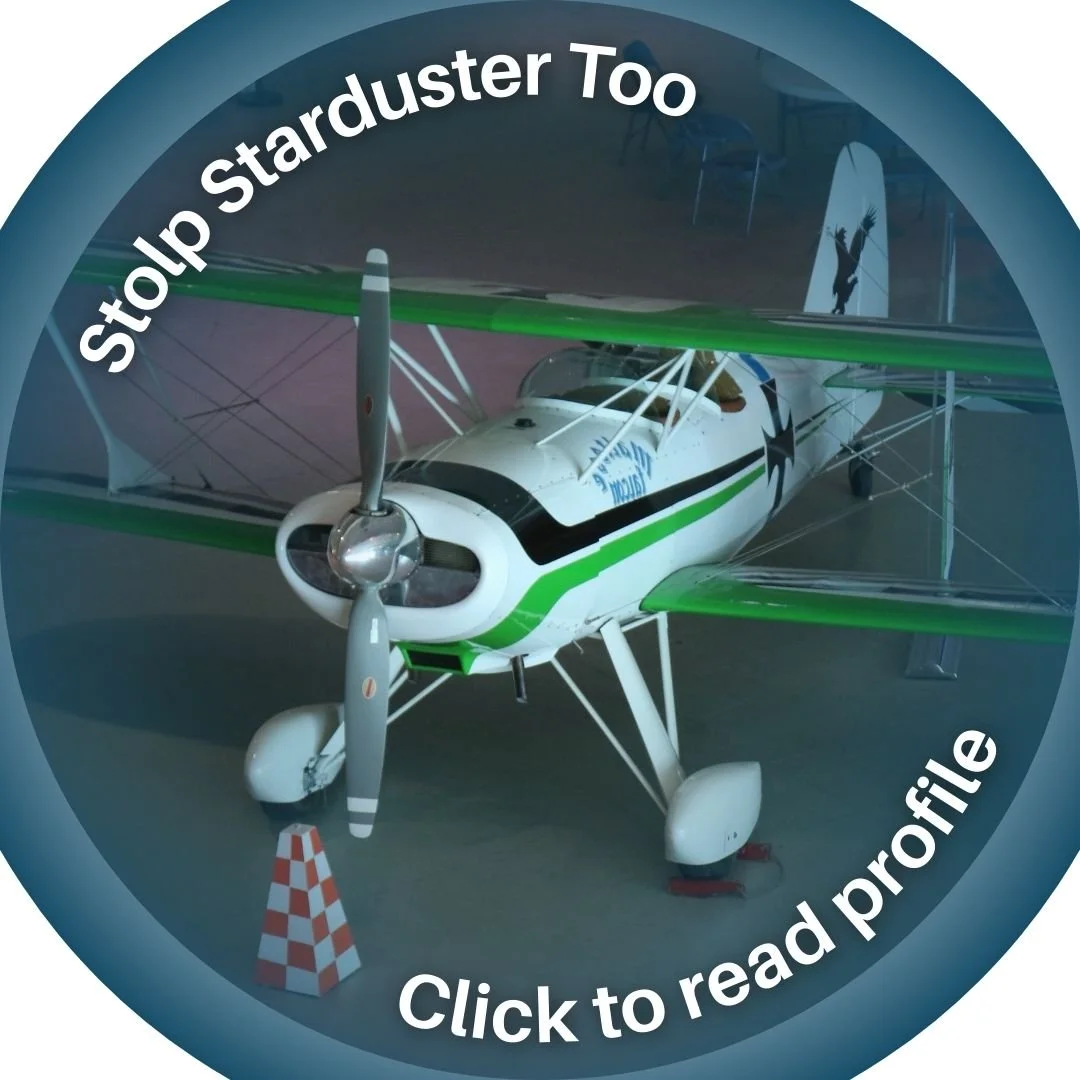
Stolp Starduster Too
When you first see the Starduster Too gleaming under the hangar lights, it’s easy to be drawn in by its elegant lines and open cockpit. But what truly makes this aircraft special isn’t just its design—it’s the spirit of the people who built and flew it.
The Starduster Too was part of a movement that brought aviation into the hands of dreamers. Designed in the 1960s, it became one of America’s most beloved homebuilt biplanes—a symbol of passion, precision, and the pure joy of flight. For decades, pilots across the country assembled their own Stardusters in garages and hangars, then took to the skies in aircraft they had personally brought to life.
The Fargo Air Museum’s Starduster Too is a shining example of that spirit—handcrafted, lovingly maintained, and now preserved so visitors can experience the golden era of homebuilt aviation. But keeping a plane like this in top condition takes more than care; it takes commitment, resources, and community support.
When you adopt the Starduster Too, you’re helping to preserve not only a beautiful aircraft, but also the pioneering do-it-yourself spirit that defines aviation at its core. Your contribution supports its ongoing maintenance, cleaning, and educational display—ensuring that future generations can stand beside it and imagine what it feels like to build and fly your own plane.
Your adoption keeps the Starduster Too soaring in spirit—a reminder that with vision, dedication, and a touch of adventure, the sky is truly the limit. Adopt the Stolp Starduster Too.
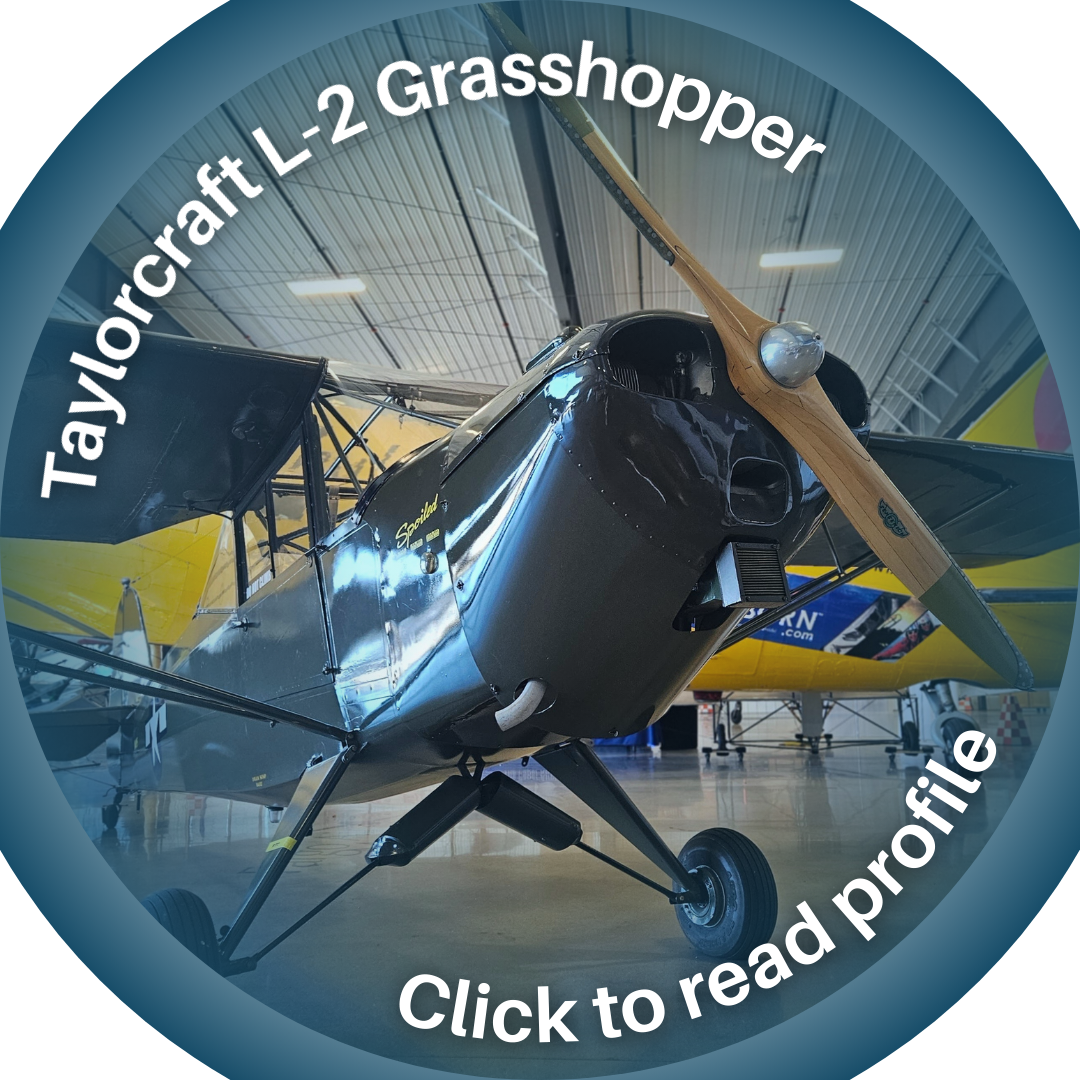
Taylorcraft L-2 Grasshopper
Small in size but mighty in spirit, the Grasshopper earned its place in aviation history as one of the most versatile light aircraft of its era. Designed for observation and communication, this nimble airplane was known for its simple construction, short takeoff distance, and remarkable maneuverability. Its ability to operate from small, rough spaces allowed it to perform missions that larger aircraft simply could not.
The Grasshopper on display at the Fargo Air Museum tells a story of ingenuity, adaptability, and innovation in aviation design. It represents the pilots who mastered low-and-slow flying and demonstrated how lightweight aircraft could play an important role in aviation history.
By adopting the Grasshopper, you help preserve this humble aircraft’s enduring legacy. Your support ensures it remains maintained for future generations to learn from and admire. Adopt the Taylorcraft L-2 Grasshopper.
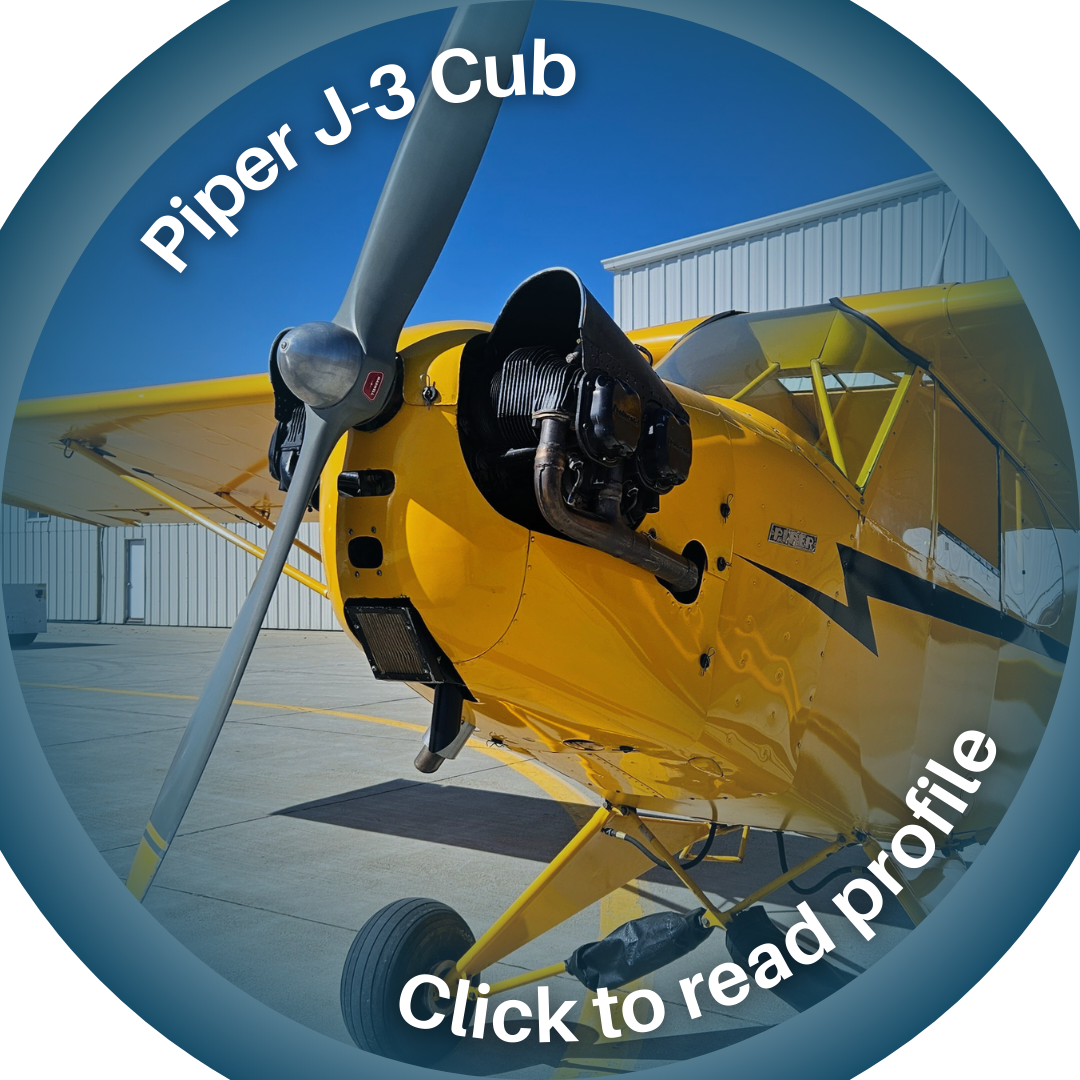
Piper J-3 Cub
Bright yellow and full of heart, the Piper Cub is one of the most beloved airplanes in aviation history. Simple, dependable, and easy to fly, the Cub helped introduce generations of pilots to the joy of flight—and it still captures imaginations today.
First built in the late 1930s, the Piper Cub became famous for doing more with less. With its lightweight frame, fabric-covered wings, and gentle handling, the Cub didn’t need fancy instruments or powerful engines. What it needed was a pilot and a stretch of open ground.
During World War II, airplanes like the Piper Cub served in vital support roles. These aircraft known as the L-4 Grasshopper flew low and slow, spotting enemy positions, delivering messages, and evacuating wounded soldiers. Their ability to take off and land almost anywhere made them indispensable—and incredibly brave.
After the war, the Piper Cub helped spark a boom in civilian aviation. Many North Dakota pilots took their very first flight in an airplane just like this one. Cubs were used for flight training, crop scouting, mail delivery, and pure enjoyment—especially across the wide-open plains and grass airstrips of the Midwest.
The Piper Cub at the Fargo Air Museum represents the spirit of grassroots aviation: humble beginnings, hands-on flying, and the dream of taking to the skies. By adopting this airplane, you help preserve not just a historic aircraft, but the stories of everyday pilots, veterans, and dreamers who learned that flight doesn’t have to be complicated to be extraordinary. Adopt the Piper J-3 Cub.